
Can You Use a Garbage Disposal With Septic?
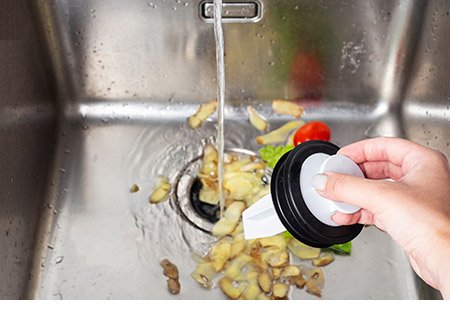
Yes, you can use a garbage disposal with a septic system, but it requires extra care, more frequent pumping, and careful habits about what you put down the drain. According to Roto-Rooter, regular use of a garbage disposal can drastically increase the amount of solid waste entering the septic tank, meaning the tank may need […]
How to Find Your Septic Tank on Your Property?
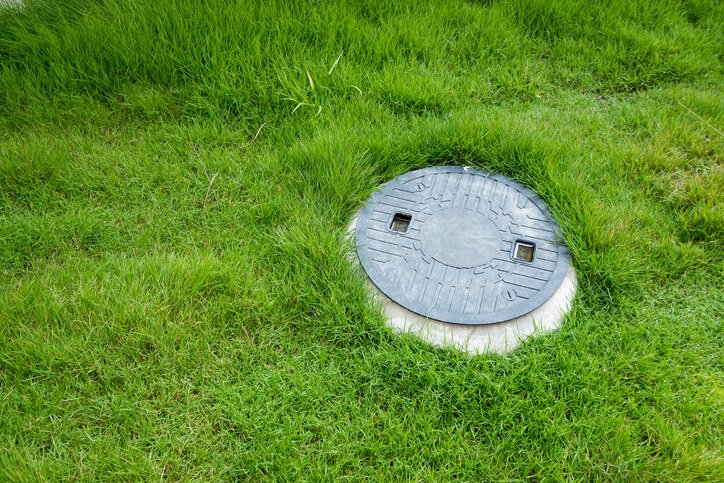
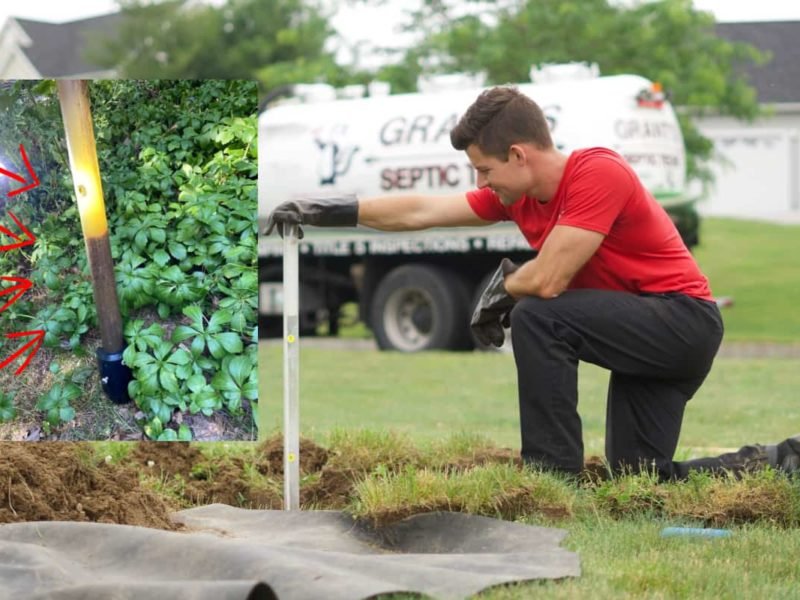
You can find your septic tank on your property by checking your county health department records for a septic permit diagram, following the main sewer line from your basement or crawl space to the yard, looking for visual clues like depressions or lush grass patches, or using a soil probe or metal detector to confirm […]
What Are the Signs of a Failing Drain Field?

The signs of a failing drain field include standing water or soggy spots over the leach field area, foul sewage odors in the yard, unusually green or lush grass above the buried pipes, slow drains throughout the house, gurgling sounds in the plumbing, and sewage backing up into the home. According to the Washington State […]
How Much Does a New Septic System Cost?
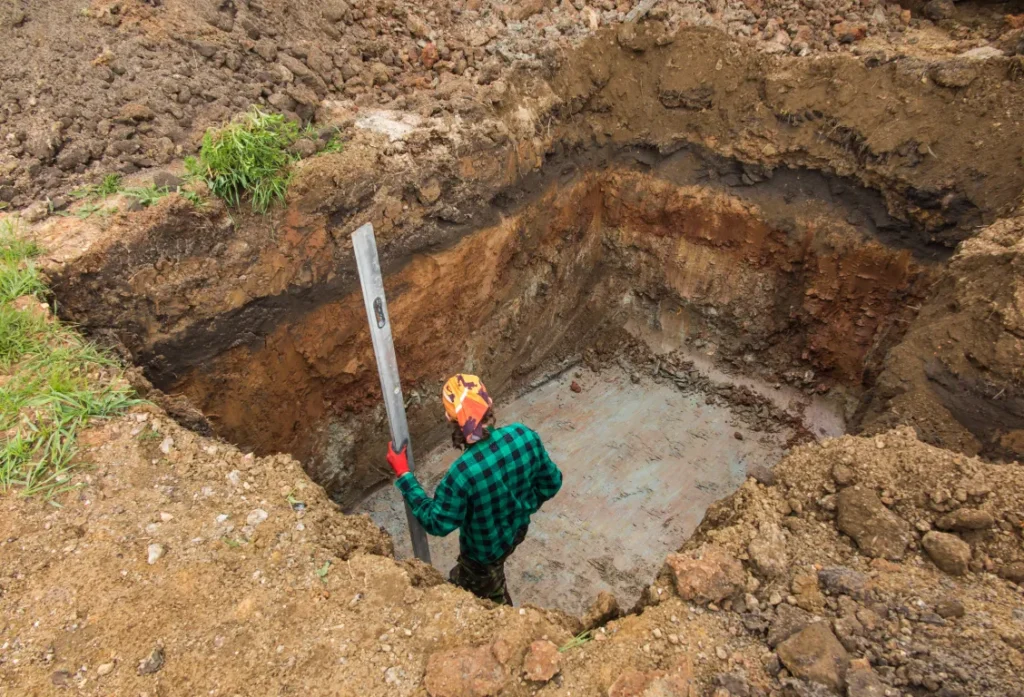
A new septic system costs between $3,500 and $15,000 on average for most homeowners, depending on the system type, tank material, property size, and soil conditions. According to HomeAdvisor, the national average sits around $8,030 for a complete installation. Homeowners in Fairview, NC and the surrounding Union County area should plan their budget carefully because […]
How Long Do Septic Systems Last on Average?
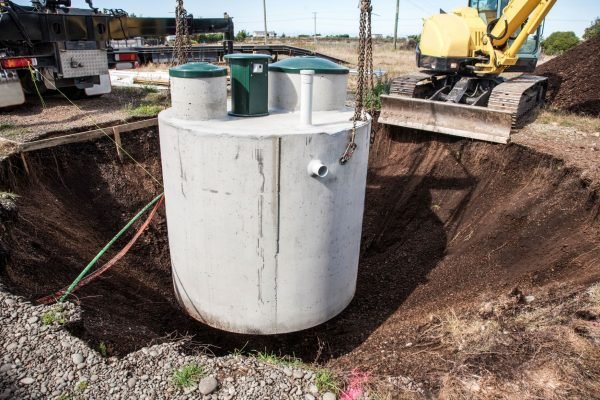
Septic systems last 20 to 40 years on average, depending on the tank material, soil conditions, installation quality, and how well the system is maintained. The U.S. Environmental Protection Agency (EPA) states that a concrete septic tank may last 50 years or more with proper care, while steel tanks typically last only 15 to 20 […]
What Not to Flush Down a Toilet With Septic?
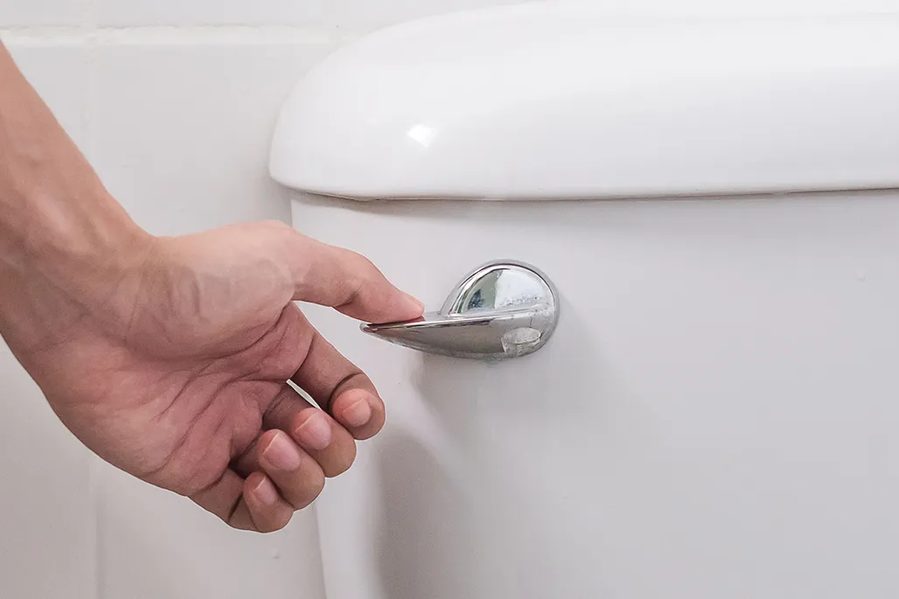
You should not flush anything down a toilet with a septic system other than human waste and toilet paper. The U.S. Environmental Protection Agency (EPA) specifically warns against flushing wipes (even “flushable” ones), feminine hygiene products, condoms, dental floss, cotton swabs, cat litter, medications, cigarette butts, paper towels, and diapers. Flushing the wrong items kills […]
How Much Does It Cost to Pump a Septic Tank?
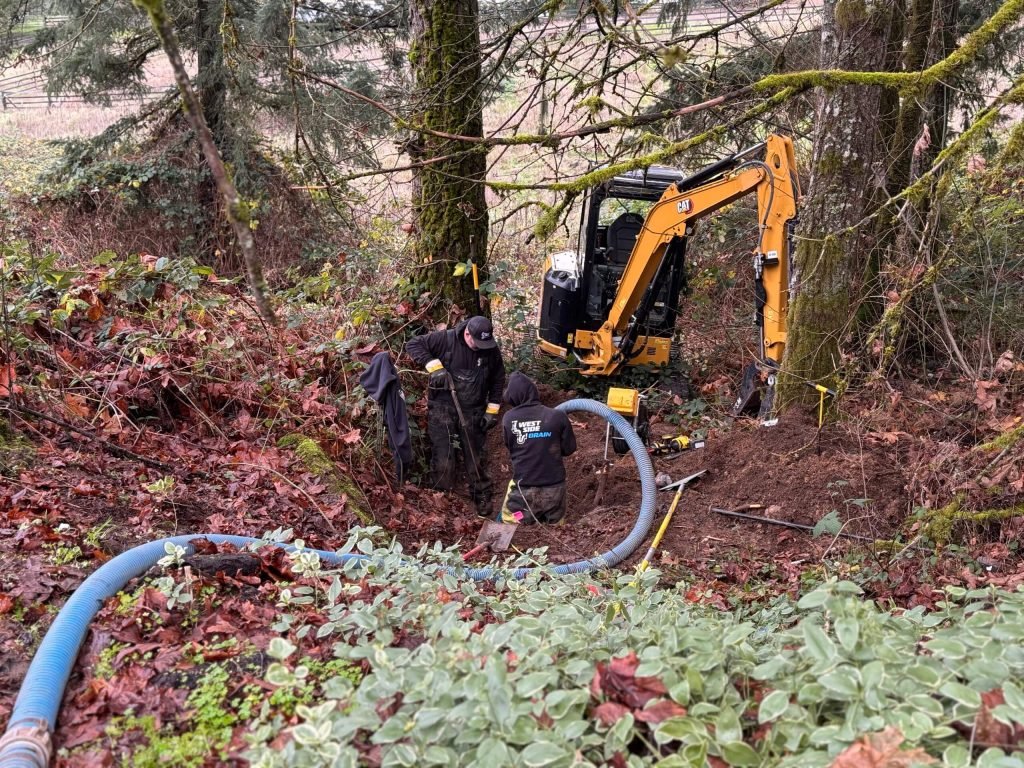
The average cost to pump a septic tank in the United States is about $425, with most homeowners paying between $290 and $560, according to Angi and HomeAdvisor data. The final price depends on tank size, location, accessibility, and whether the system needs additional services beyond a standard pump-out. Smaller tanks (750 gallons or less) […]
How Does a Septic System Work Step by Step?
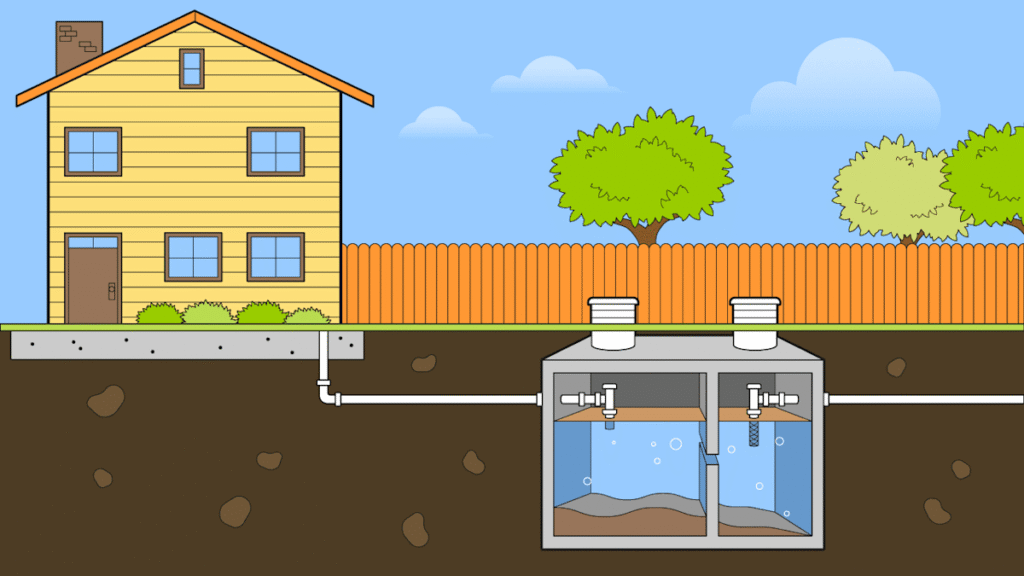
A septic system works by collecting all household wastewater through a single main drain pipe, separating solids from liquids inside a buried tank, using natural bacteria to break down organic waste, and then slowly releasing the treated liquid into a drainfield where soil filters out remaining contaminants before the water returns to the groundwater. According […]
Signs Your Septic Tank Is Full or Needs Pumping
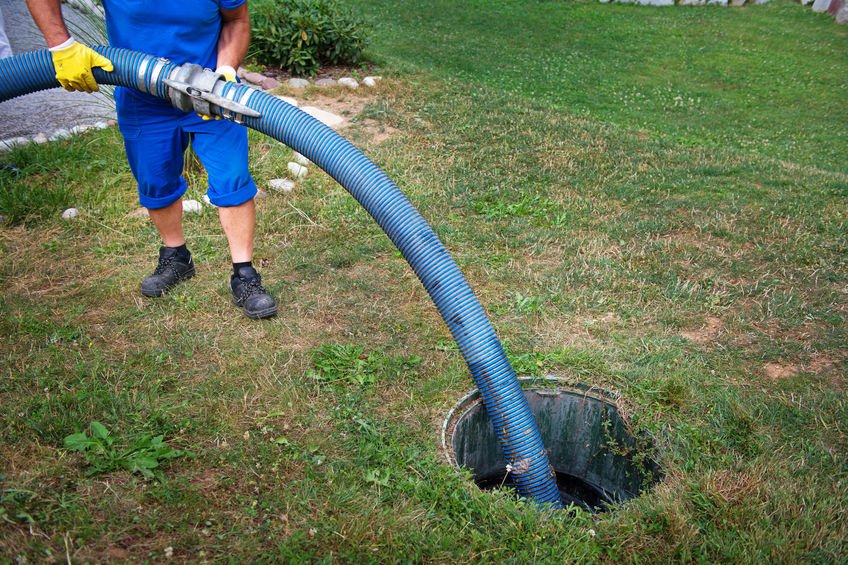
The first signs of a full septic tank are slow drains throughout the home, foul sewage odors near the tank or drainfield, gurgling sounds from toilets and pipes, pooling water in the yard, unusually green grass over the drainfield, and sewage backing up into sinks or tubs. According to the U.S. Environmental Protection Agency (EPA), […]
How Often Should You Pump Your Septic Tank?
You should pump your septic tank every 3 to 5 years for most households. The exact schedule depends on your tank size, the number of people in your home, how much water you use, and how many solids go into the system. According to the U.S. Environmental Protection Agency (EPA), household septic tanks are typically […]