
What Size Septic Tank Do I Need for My Home?
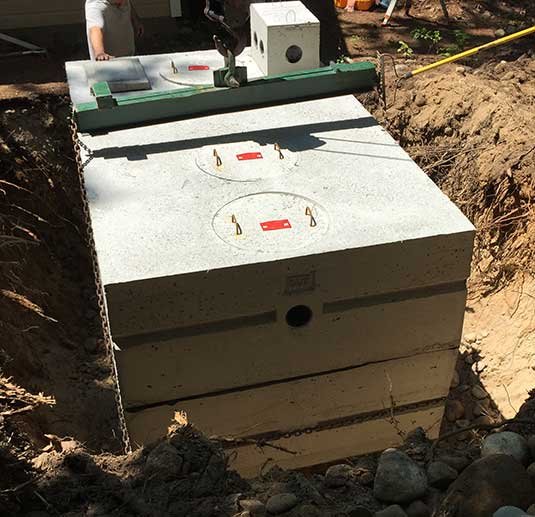
The size of septic tank you need for your home depends primarily on the number of bedrooms, which determines the maximum potential occupancy and daily wastewater flow. A 1 to 2-bedroom home needs a minimum 750 to 1,000-gallon tank, a 3-bedroom home needs a 1,000-gallon tank, a 4-bedroom home needs a 1,200 to 1,250-gallon tank, […]
Signs You Need a New Drain Field Installed
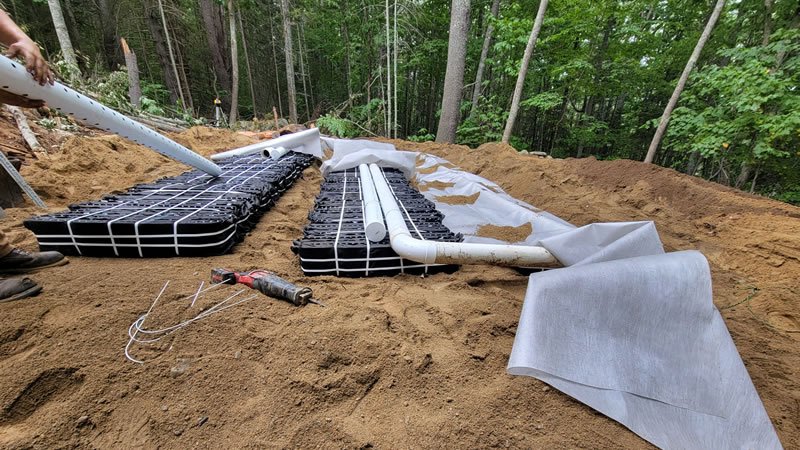
The signs you need a new drain field include standing water or soggy spots over the leach field, sewage odors in the yard, unusually green or lush grass over the drain lines, slow drains in every fixture in the house, sewage backing up through floor drains or bathtubs, gurgling sounds from pipes, and black slimy […]
How to Prepare for a Home Septic Inspection?
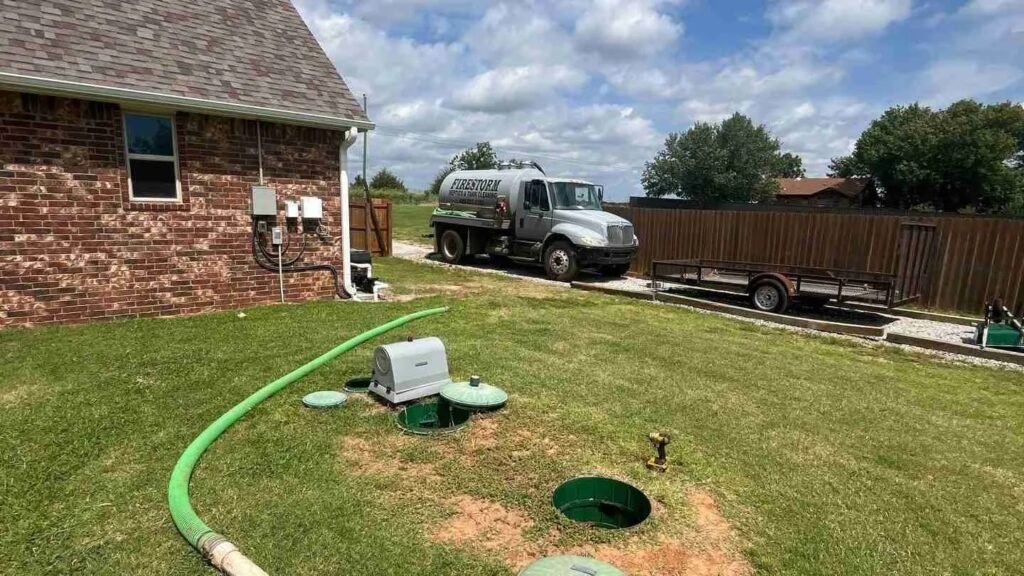
To prepare for a home septic inspection, locate your septic system components and uncover the access lids, gather all maintenance records and pumping receipts, reduce water use for 24 hours before the appointment, clear the area around the tank and drain field of vehicles, debris, and landscaping, note any problems you have noticed like slow […]
What to Expect During a Septic Tank Pumping?
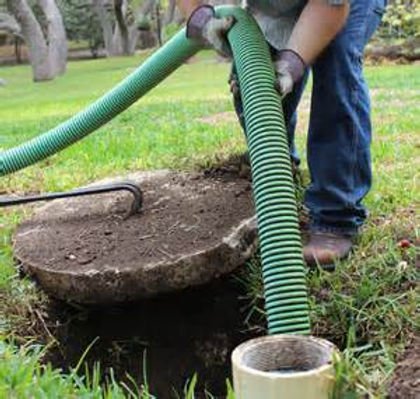
During a septic tank pumping, a licensed technician locates your tank, opens the access lids, measures the sludge and scum levels, uses a high-powered vacuum hose connected to a pump truck to remove all liquids and solids from the tank, rinses the interior with water, inspects the tank walls, baffles, and effluent filter for damage, […]
Can You Plant Trees Near a Septic Drain Field?

You can plant certain trees near a septic drain field, but only if you choose species with shallow, non-aggressive root systems and place them at a safe distance. The general rule is to plant a tree at least as far away from the drain field as the tree’s expected height at maturity, with a minimum […]
How to Fix a Slow Drain With a Septic System?
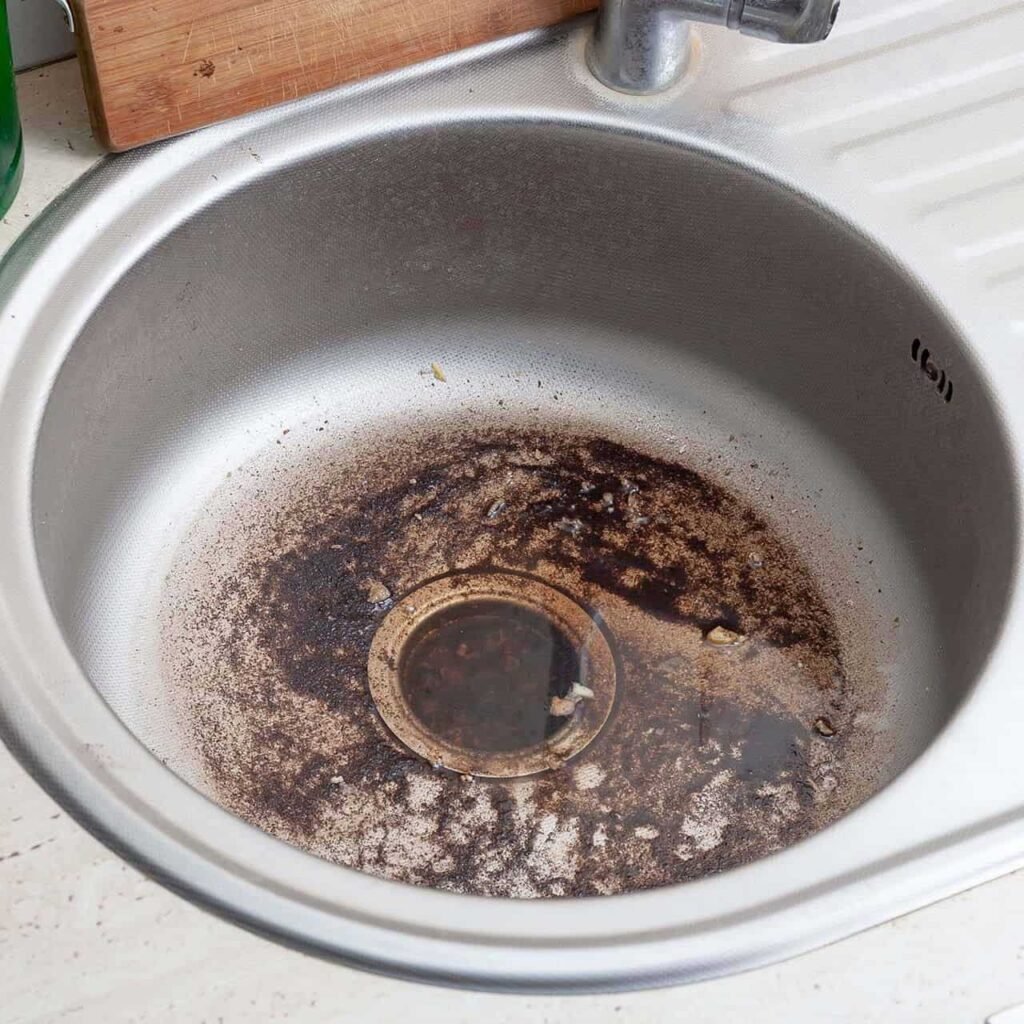
To fix a slow drain with a septic system, start by identifying whether the problem is a single clogged fixture or a system-wide issue. If only one drain is slow, the cause is likely a localized clog from hair, grease, or soap buildup in the pipe near that fixture. If multiple drains throughout the house […]
What Is a Leach Field and How Does It Work?
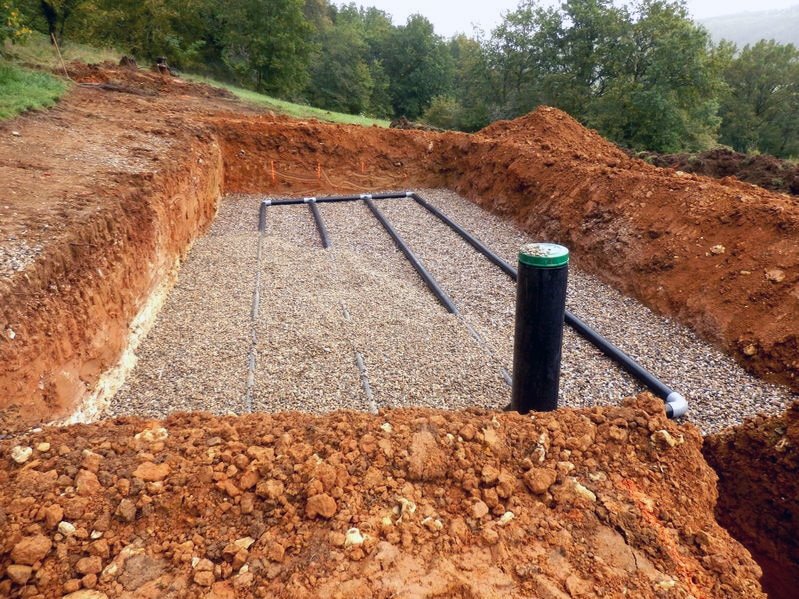
A leach field is the underground section of a septic system that filters and disperses treated wastewater back into the soil. It is made up of a series of perforated pipes laid in gravel-filled trenches beneath your yard. After waste flows into the septic tank and solids separate from liquids, the liquid effluent travels through […]
How Deep Is a Septic Tank Buried Underground?
A septic tank is typically buried between 4 inches and 4 feet below the ground surface. There is no single standard depth because the burial depth depends on local building codes, the depth of your sewer line, the distance from your home, soil type, climate, and the frost line in your area. The top of […]
What Happens During a Septic Tank Inspection?
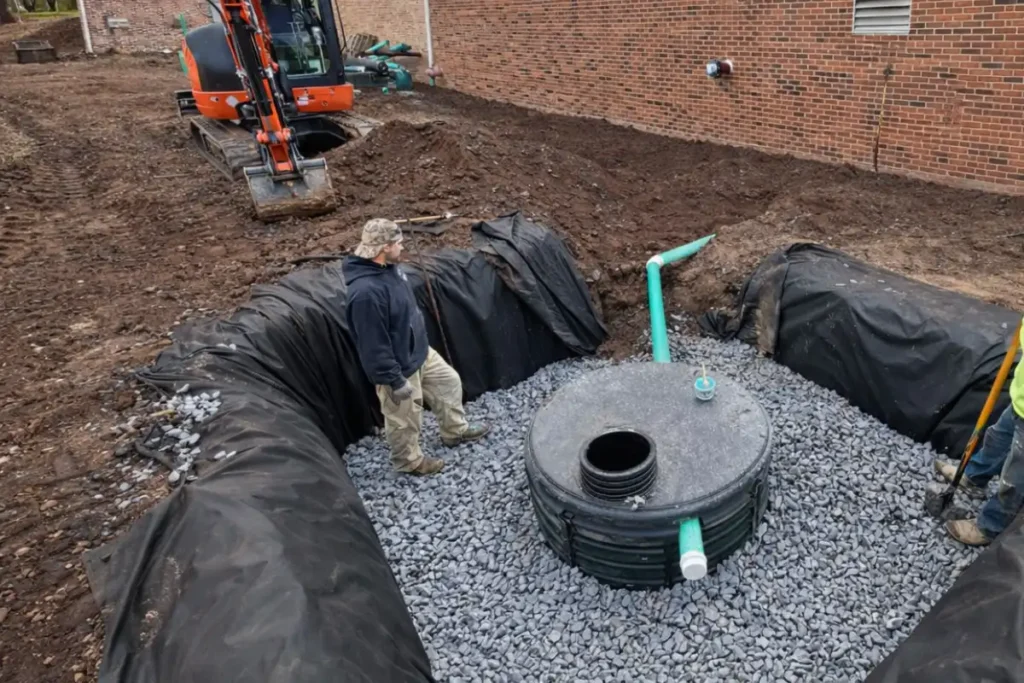
During a septic tank inspection, a qualified professional examines the septic tank, distribution box, and drain field to make sure all three components are working properly and structurally sound. The inspector checks sludge and scum levels, looks for leaks and cracks, runs a flow test to verify wastewater moves correctly from the house to the […]
Can Heavy Rain Cause Septic System Problems?
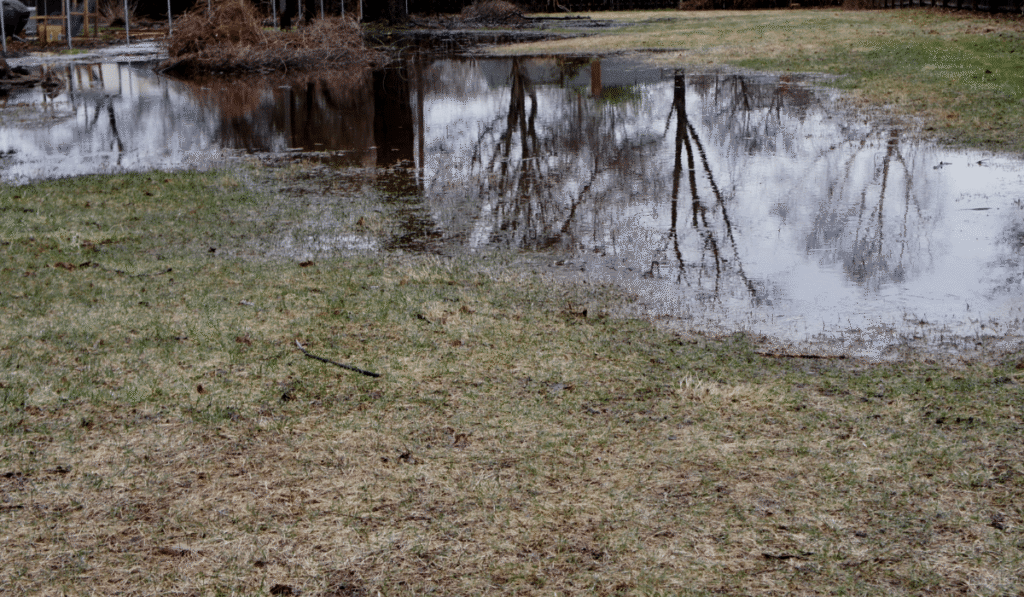
Yes, heavy rain can cause serious septic system problems by saturating the soil around the drain field, preventing wastewater from filtering out of the tank, and triggering backups into the home. According to the University of Florida IFAS Extension, when the soil in the drain field is already full of rainwater, it cannot absorb the […]