
What Happens If You Never Pump Your Septic Tank?
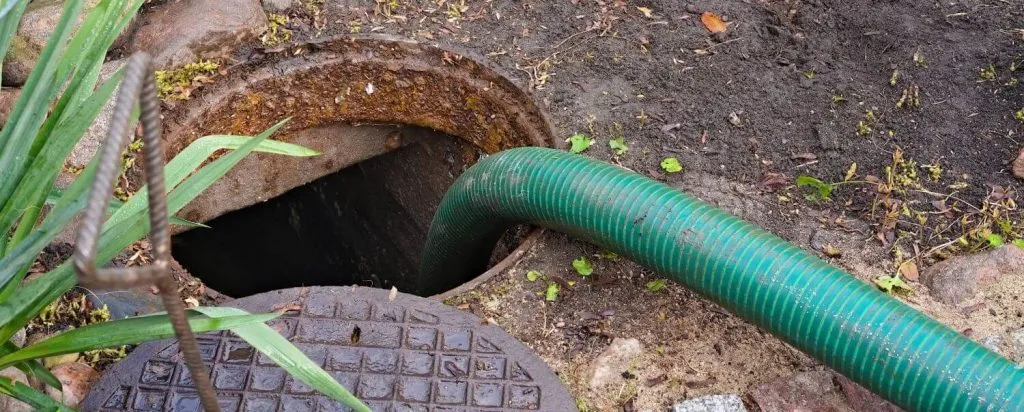
If you never pump your septic tank, the sludge and scum layers will eventually fill the entire tank, leaving no room for wastewater to settle and separate properly. Solids will escape through the outlet baffle into the drain field, clogging the soil and pipes until the field fails completely. The result is sewage backing up […]
How to Winterize a Septic System the Right Way?
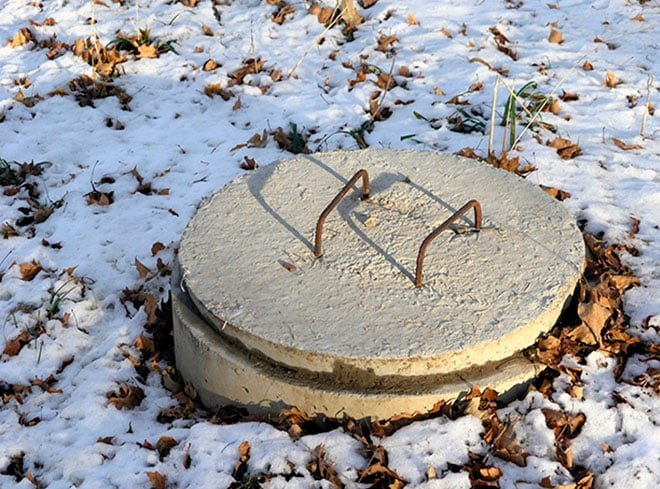
Winterizing a septic system protects the tank, pipes, and drain field from freezing temperatures that can crack components, block wastewater flow, and cause sewage backups into the home. Even in areas with moderate winters, a single hard freeze can damage an unprepared system and lead to thousands of dollars in repairs. The key to winterizing […]
How Long Does a Septic Tank Pumping Take?
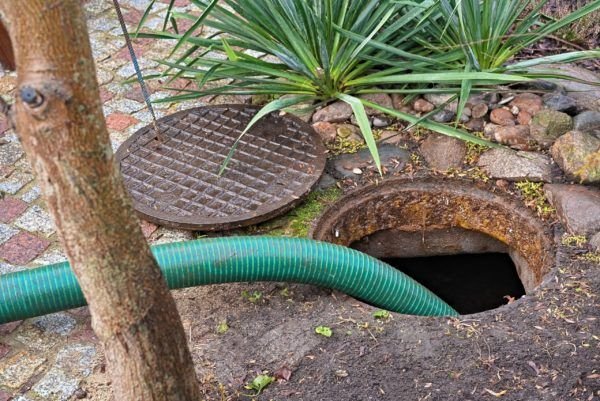
A septic tank pumping typically takes 20 to 60 minutes for the actual pumping process, with the entire service visit lasting 1 to 3 hours when you include setup, inspection, and cleanup. For a standard 1,000-gallon residential tank with normal sludge levels, the core pumping operation takes about 20 to 30 minutes. Larger tanks, buried […]
What Causes Standing Water Over a Drain Field?
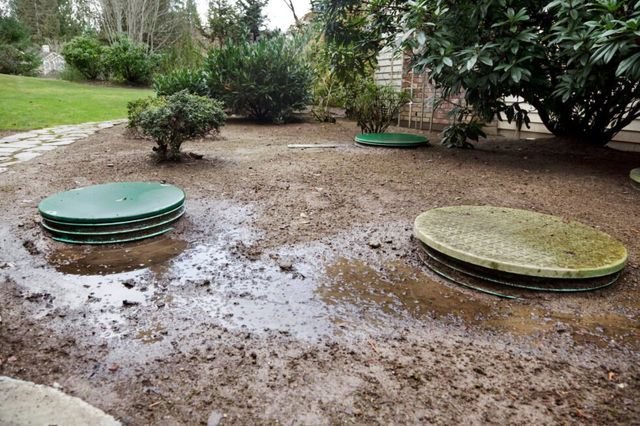
Standing water over a drain field means your septic system is not absorbing wastewater the way it should. The drain field is where liquid effluent from the septic tank soaks into the soil for final treatment and purification. When something prevents that absorption, water rises to the surface and collects as puddles, soggy patches, or […]
How to Unclog a Septic Tank Outlet Pipe?
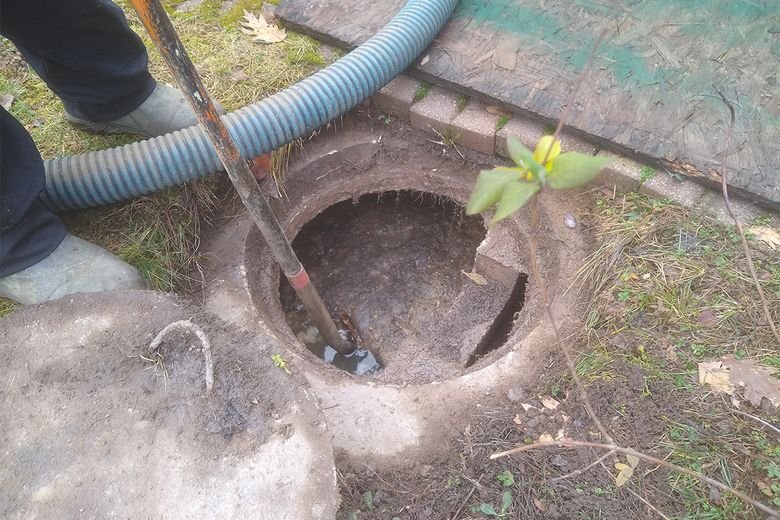
A clogged septic tank outlet pipe blocks treated wastewater from leaving the tank and flowing into the drain field. When this happens, the tank fills beyond capacity and sewage backs up into the home through floor drains, bathtubs, and toilets. This is one of the most urgent septic problems a homeowner can face. The outlet […]
Do Washing Machines Cause Septic Tank Problems?
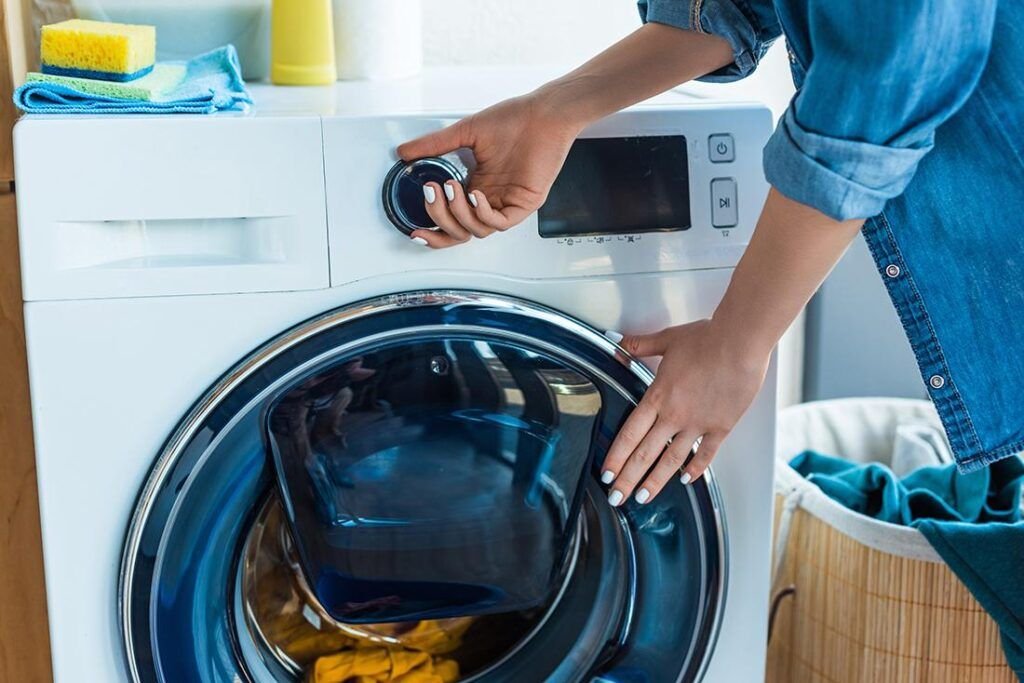
Yes, washing machines can cause septic tank problems when laundry habits overwhelm the system. Doing too many loads in one day floods the tank with more water than it can process, pushing untreated waste into the drain field. Using the wrong detergent kills the beneficial bacteria the tank needs to break down solids. Clogged lint […]
What Cleaning Products Are Safe for Septic?

Cleaning products that are safe for septic systems include biodegradable, plant-based, phosphate-free formulas that are labeled “septic safe.” Baking soda, white vinegar, castile soap, and most water-based cleaners are among the safest options you can use in a home with a septic tank. Products containing bleach, ammonia, antibacterial agents, chemical drain cleaners, and phosphates can […]
How to Get Rid of Septic Tank Smell in Your Yard?
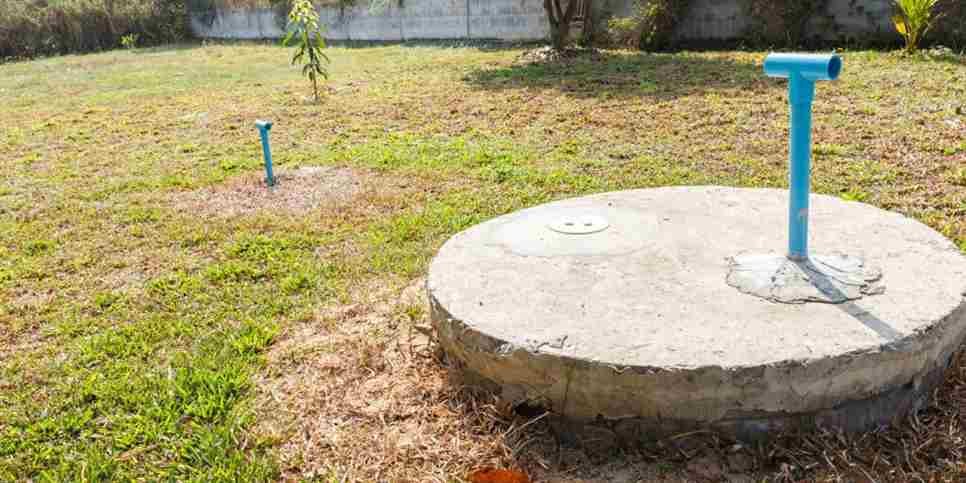
To get rid of septic tank smell in your yard, start by checking whether the tank is overdue for pumping, inspecting the tank lids and risers for damaged seals, clearing any obstructions from the plumbing vent pipe on the roof, and examining the drain field for signs of failure like soggy ground or surfacing wastewater. […]
Can You Drive or Park Over a Septic Tank?
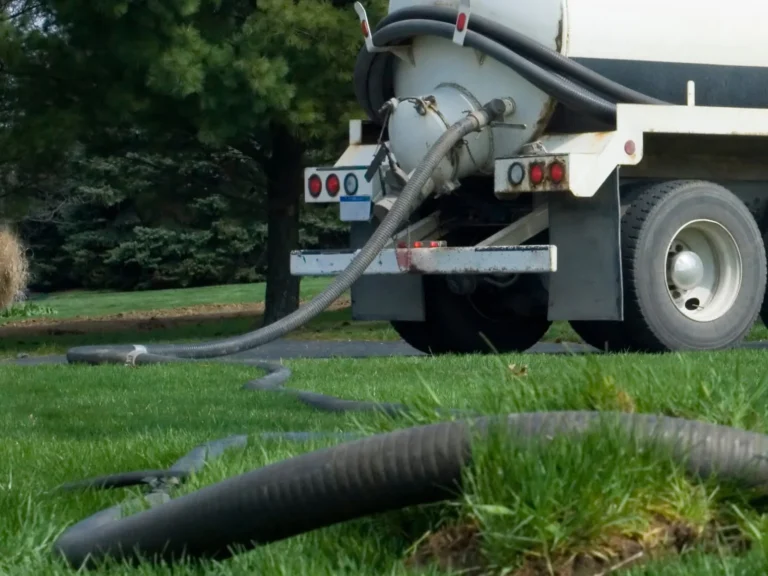
No, you should not drive or park over a septic tank. The weight of vehicles compacts the soil, cracks the tank, crushes pipes, damages the lid and risers, and can cause a collapse that is both dangerous and extremely expensive to repair. Even lightweight vehicles like compact cars can weigh 2,500 to 4,000 pounds, which […]
How Much Does a Drain Field Replacement Cost?
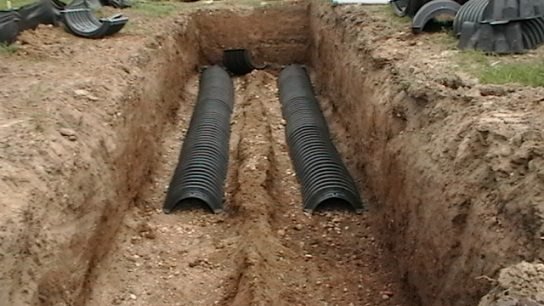
A drain field replacement costs $3,000 to $15,000 for most residential properties, depending on the size of the field, soil type, slope, accessibility, and local regulations. According to data from HomeGuide, the national average for a standard replacement falls between $5,000 and $10,000. Replacing both the septic tank and drain field together costs $4,500 to […]